A Brief Introduction to Interactive Art Reports

As the digital age progresses, the fields of art and technology continue to intertwine, giving rise to interactive art reports that offer immersive experiences far beyond what traditional paper reports could achieve. Such digital platforms invite viewers to take an active role in the exploration of artistic works, transforming passive observation into engaging interaction.
The Necessity of JavaScript for Enhanced Interactivity
One key player in this digital evolution is JavaScript, a scripting language that enables dynamic content and interactive elements on web pages. JavaScript has revolutionized the way art is presented online, allowing for live updates, animated graphics, and even virtual reality experiences. The message is clear: to fully appreciate the scope of modern digital art reporting, one must have access to a JavaScript-enabled environment.
Understanding How JavaScript Enhances Art Reports
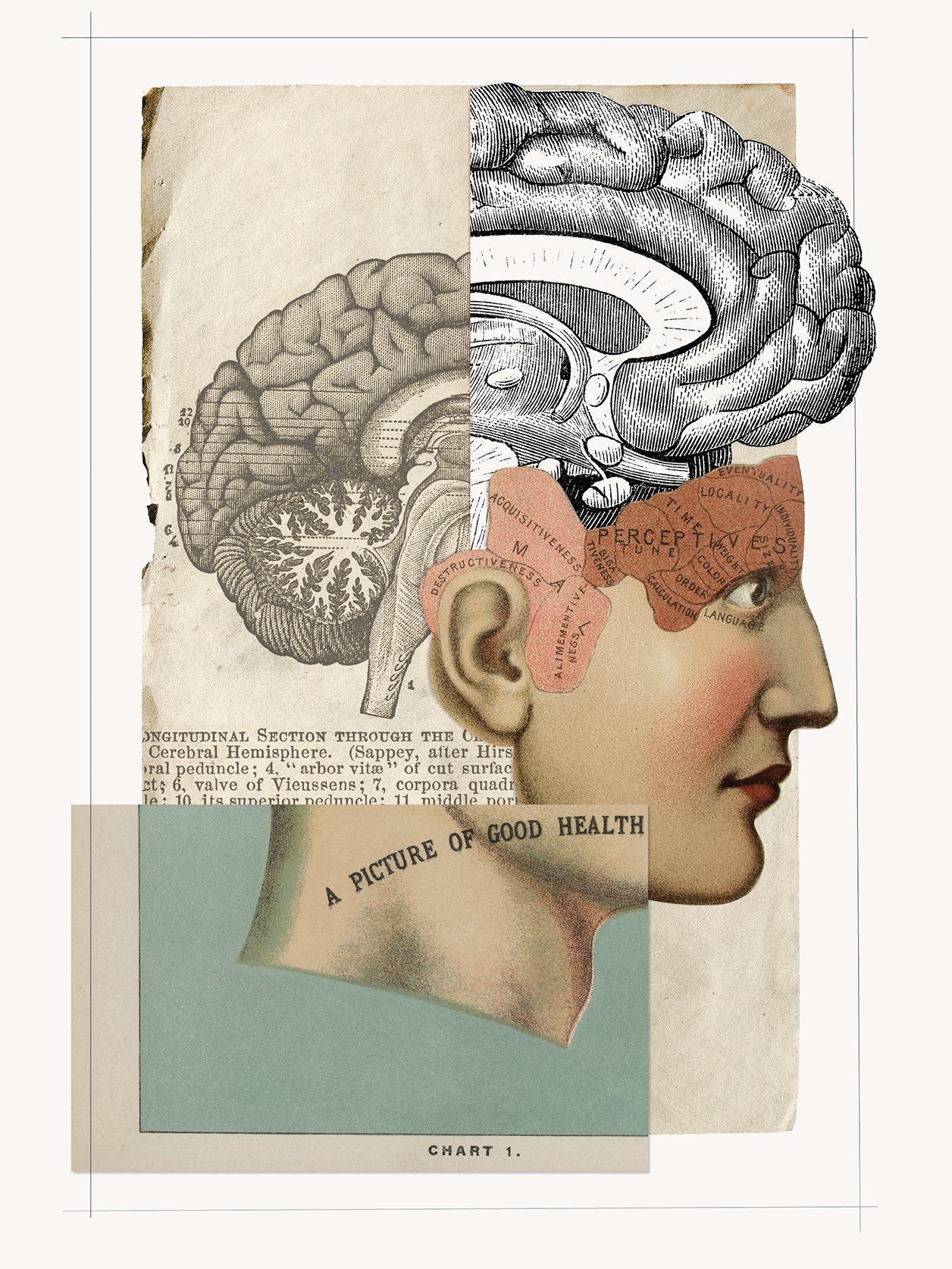
With JavaScript, artists and curators can craft reports that feature zoomable high-resolution images, interactive timelines of art history, and in-depth analyses of artistic techniques that react to user input. Moreover, JavaScript permits the integration of audio and video components, which can provide commentaries and documentaries to complement the visual content.
The User Experience in JavaScript-Enabled Art Reports
The implementation of JavaScript extends beyond the presentation of artwork; it significantly augments the user experience. Enhanced features like personalized virtual tours, social sharing capabilities, and user-driven content customization are all made possible with JavaScript, thus creating a more connected and user-centric experience.
When JavaScript is Not Enabled: What's Missing?
Without JavaScript, users might confront a static and limited perspective of art reports. Interactive elements fail to load, resulting in a loss of engagement and the potential omitted educational value that interactive features can impart. Hence, to unlock the full potential of art reporting in today's digital landscape, enabling JavaScript becomes essential.
Travel and Art: A Synergetic Journey
Art, like travel, is a journey. It takes us to new horizons and immerses us in diverse cultures. And just as JavaScript enhances art reports by enabling interactivity and a deeper connection to the artwork, travel enriches our lives by exposing us to new experiences and perspectives. The exploration of art, whether through physical travel to galleries around the world or virtually through JavaScript-enabled digital reports, remains a cornerstone of cultural enrichment and education. This shared spirit of discovery unites the world of art and the passion for travel, each offering a unique voyage into human creativity and expression.
Orlando
- Gaylord Palms Resort & Convention Center
- The Grove Resort Orlando
- Sheraton Vistana Resort
- Castle Hotel Autograph Collection
- Lake Buena Vista Resort Village & Spa
- Westgate Leisure Resort
- Marriott World Center
- Hard Rock Hotel Orlando
Cancun
- Iberostar Cancun
- Nyx Cancun
- Fiesta Americana Condesa Cancun
- Ritz Carlton Cancun
- Temptation Resort Cancun
- The Westin Cancun
- Boutique Hotel Cancun
Las Vegas
- Excalibur Hotel & Casino
- Luxor Hotel & Casino
- Mgm Grand
- Stratosphere Las Vegas
- Luxury Hotels In Las Vegas